

Schools are giving students the tools to explore the web as early as fifth-grade. But they also have to teach the kids about how dangerous it can be.
“It’s complicated parenting, but we can’t deny that is where our world is going,” said Ali Marchilden of Burlington.
Teachers and parents are taking on the brunt of the task.
“We teach students about appropriate behavior in school on the playground, on the bus walking back, back-and-forth to school. We really need to start talking about what is appropriate Internet behavior,” said Donna McAllister of the Vt. Department of Education.
Schools install image filtering systems to keep kids away from bad websites, but they can’t protect them from everything. Educators say information is much more effective than scare tactics when talking to kids.
“They really get that I don’t talk to strangers on the street, I don’t give them my address or my phone number; they get that. So then you relate it to the Internet– that’s what the Internet is like,” Karen Archer said.
Archer runs a program called Technicool, teaching fourth- through 12th-graders about protecting themselves while on the web.
Public versus private information is one of the first lessons; teaching kids that everything is being saved, regardless of the security settings– pictures, comments, everything.
“They do not understand the permanency of what is put on the Internet. And once you put it on the Internet, it’s no longer yours,” McAllister said.
For older kids the focus is the dangers of sexting, online bullying and protecting their own digital brand.
“We are creating our digital reputation with our posts, so now people can go online and find out who we are. Colleges and employers are doing it,” Archer said.
Another challenge is teaching kids how to understand which sites have real information and what’s just advertising. It’s a tough job that’s exposing these kids to a lot of grown-up stuff at a very young age.
Some parents say when schools supply the technology, it levels the playing field. And the younger they are when they start hearing the safety messages, the less likely they are to send naked pictures or bully other kids online.
“You’re giving your children the opportunity to grow and understand in a more sensible and reasonable safe way,” said Lynda Reid of Burlington.
But not everyone wants their kids to have this access. And parents do have the final say about that, but educators encourage them to consider the consequences.
“They have a choice not to allow their child to have the tablet. But prohibiting their child from having a tablet isn’t necessarily going to keep the kids off the Internet,” McAllister said.
A constant stream of information forcing constant conversations about safety.
As for what happens when kids do break the rules, that varies by school. Some schools take the tablets away, others hand out infractions.
Source: WCAX.com


🔀 Juniper Networks EX2300-C-12P 12× Gigabit PoE+ • 2× 10G SFP+ Compact Switch ⚡
$109.99
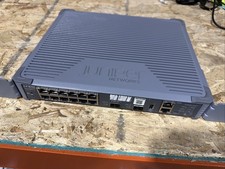
Juniper EX2300 12-Port Gigabit PoE+ Managed Network Switch P/N: EX2300-C-12P
$149.99

Juniper Networks SRX220 8-Port Gigabit Layer 3 Managed Rackmount RJ-45 USB
$285.00

JUNIPER NETWORKS MIST AI AP63-US HIGH PERFORMANCE OUTDOOR ACCESS POINT - WHITE
$59.99

Juniper Networks EX2300-48P 48-Port Gigabit PoE Managed Ethernet Switch
$79.99

Juniper QFX5120-48Y-AFO 48 x 1/10/25GB SFP28 + 8 x 40/100GB Switch w/Dual AC
$10499.99

Juniper EX2300-C 12 Port Compact Gigabit Switch EX2300-C-12p
$89.99

Juniper MX204 +JUNOS and Dual Power Supply
$7299.99

Juniper Networks Mist Wireless Access Points, Model AP45
$59.99

Juniper QFX5100-48S-3AFI 48-Port SFP+ 6 QSFP+ 2x SFP/RJ-45 Management
$249.97


